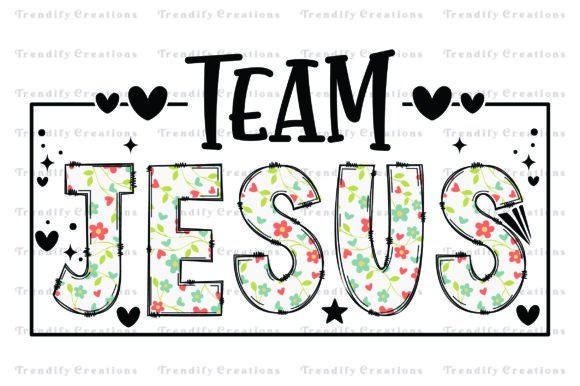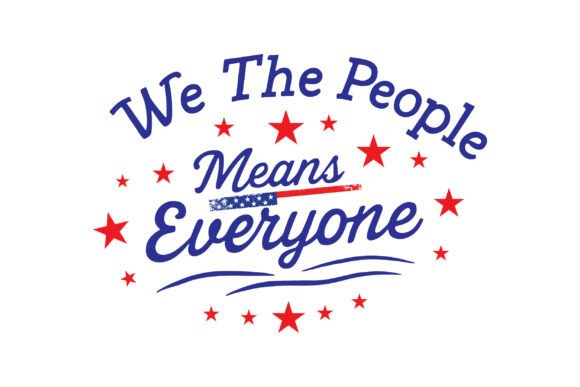
Jesus We the People Means Everyone Design Review
As an embroidery digitizer and product reviewer, I approach every new graphic with a specific question: will this actually stitch out cleanly on fabric? When evaluating Jesus We the People Means Everyone, my focus shifts immediately from screen resolution to needle penetration. This design carries a powerful, inclusive message that resonates deeply in today’s market, but translating a digital T-shirt design into a tangible embroidered piece requires careful technical consideration. The phrase "We the people means everyone" combined with religious iconography suggests a project that demands both visual clarity and emotional weight. For Etsy sellers, craft business owners, and apparel decorators, understanding how this artwork transitions from pixels to thread is the difference between a bestseller and a production headache.
First Impressions and Emotional Resonance
My initial assessment of Jesus We the People Means Everyone centers on its typographic hierarchy and symbolic balance. As a graphics asset intended for print, it likely relies on crisp edges and solid color blocks. However, as a potential machine embroidery design, I am looking at the negative space and letter thickness. The mood is welcoming yet reverent, making it ideal for community-focused merchandise or faith-based apparel. The layout appears balanced enough to serve as a central chest placement on a sweatshirt or a bold statement on a tote bag design. Visually, it avoids overly ornate script that often causes registration issues during stitching, favoring cleaner lines that translate well to satin stitch or fill stitch applications. This simplicity is a strength; it allows the message to remain legible even when scaled down for smaller hoop sizes or baby embroidery projects.
Real-World Application: Stitching a Community Tote Bag
To truly evaluate this design, I mentally walked through a recent custom order for a church outreach program requiring 50 canvas tote bags. The client wanted a unifying symbol that felt handmade yet professional. Jesus We the People Means Everyone was the perfect candidate, but the execution required planning. Canvas has a distinct fabric texture that can swallow fine details. In this scenario, I would treat the text elements with a slightly increased stitch density to ensure they stand out against the weave. If the design includes intricate facial features or small decorative accents, I would verify that those areas are not too dense for the fabric weight, which could cause puckering.
For this specific embroidery project, the design’s versatility shines. It works beautifully as a centerpiece for holiday embroidery gifts or as branding for a small shop product line. Because the message is universally positive, it reduces the risk of customer returns due to misinterpretation. When creating a personalized gift using this artwork, the clean aesthetic ensures the recipient focuses on the sentiment rather than struggling to read complex stitching. For commercial embroidery businesses, this type of versatile, high-impact graphic is essential for maintaining steady workflow across different garment types without needing constant digitizing adjustments.
Technical Performance Across Different Substrates
A major factor in reviewing any embroidery file is its adaptability. Jesus We the People Means Everyone performs differently depending on where you place it. On custom apparel like heavyweight cotton sweatshirts, the design has enough presence to justify the garment's price point. The stability of sweatshirt fleece supports moderate stitch counts well. However, if you are applying this to performance wear or thin baby clothes, caution is necessary. Stretchy fabrics require proper stabilizer selection to prevent distortion. I always recommend testing on scrap fabric first, especially if the original graphics were optimized for print rather than stitch.
When considering cap embroidery, the curved surface presents unique challenges. If the design is tall or vertically oriented, it may need resizing or re-digitizing to fit the limited vertical space of a hat front. Similarly, detailed corners or tiny lettering within the phrase "means everyone" must be inspected. If the letters are thinner than 4mm, they may need to be converted to running stitch or enlarged to prevent thread breaks. For dark fabrics, ensuring adequate contrast in thread colors is vital; what looks good in a printable mockup might disappear on navy blue material unless you adjust the palette. Always compare light and dark fabric backgrounds before finalizing your production run.
Navigating Fabric Limitations and Hoop Constraints
While Jesus We the People Means Everyone is a strong contender for many products, there are environments where it requires careful handling. Textured fabrics like terry cloth or boucle can obscure fine details. If the design relies on delicate shading or thin outlines, consider using an applique design technique or adding a topping stabilizer to create a smooth stitching surface. Small hoop sizes are another constraint; never force a large design into a small hoop by shrinking it excessively. This increases stitch density disproportionately and can lead to needle deflection or fabric damage.
Frequent washing is another reality check. Items like kitchen towels, aprons, or baby bibs endure harsh laundering. Ensure the stitch type used in the digital embroidery file is durable. Satin stitches hold up better than long running stitches for text, while fill stitches should have appropriate underlay to prevent shifting over time. If you are selling finished products on platforms like Amazon or Redbubble, durability directly impacts reviews. A design that frays after three washes damages brand consistency and customer trust. Always confirm whether the design assets include commercial licensing before listing items for sale, as this protects your creative entrepreneurship journey.
Designer Notes for Professional Results
Before loading Jesus We the People Means Everyone into your machine, run through this practical checklist derived from years of production experience:
- Verify File Compatibility: Confirm the embroidery file format matches your machine. While the product description highlights T-Shirt Designs and Graphics for print, ensure you have the correct digitized version for stitching.
- Test Stitch Density: Run a sew-out on scrap fabric identical to your final project. Check for gaps between fill areas or overly stiff sections that indicate density issues.
- Evaluate Thread Contrast: View the design in black and white mockups to ensure value separation exists independent of color. This guarantees readability on all fabric shades.
- Stabilizer Strategy: Match your stabilizer to the fabric weight and design complexity. Cutaway is generally safer for stretchy knits, while tear-away suffices for stable wovens.
- Licensing Check: Before selling on Etsy or at craft fairs, review the license terms. Confirm you can sell physical embroidered items versus just digital files.
- Mockup Accuracy: Use realistic printable mockups that reflect actual stitch texture rather than flat vector art. This sets accurate buyer expectations and reduces disappointment.
Elevating Handmade Value Through Thoughtful Execution
Ultimately, Jesus We the People Means Everyone succeeds because it bridges the gap between trending social messages and timeless craftsmanship. For the handmade product seller, this design offers more than just decoration; it offers connection. When executed with attention to stitch quality, fabric choice, and proper stabilization, it transforms a simple garment into a meaningful artifact. Whether you are creating a boutique product line, preparing for a holiday market, or fulfilling custom orders, treating this graphic with technical respect elevates its perceived value. Customers recognize the difference between a rushed print transfer and a thoughtfully stitched piece. By applying these practical insights, you ensure that your embroidery project honors both the medium and the message, resulting in professional, sellable goods that resonate with buyers and makers alike.